
What kind of places did Japanese military use as comfort station?
Comfort station for Japanese military was first built in Shanghai in 1931 and continued until war defeat. The reasons why Japanese military built the comfort station include prevention of rape, prevention of sexually transmitted diseases and morale elevation of soldiers. It was found that the comfort stations were built in all places where Japanese military invaded. It was built not only in war areas but also in places where labor forces were gathered such as coal pits and factories in Japan to conduct the war.
The number of victims is estimated to be about 50,000 ~ 200,000, but the exact number is unknown due to the lack of data. Regions of victims’ birth are wide ranging including Chosun, Taiwan, China, Philippines, Indonesia, East Timor, Netherlands and Japan. Records from soldiers indicate that women from Burma, Male, India and Vietnam were also in comfort station, but the full scale of damage has not been revealed yet.
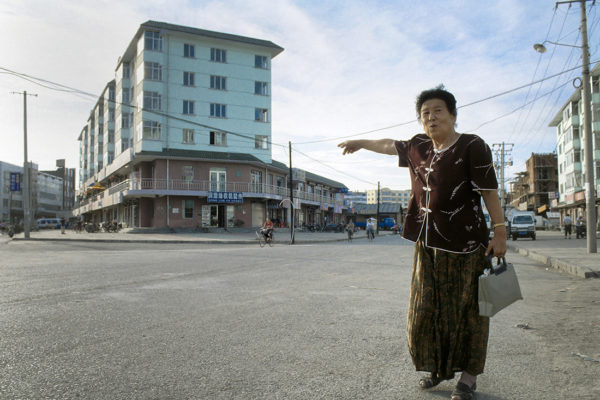 Dongnng comfort station site Even though new buildings are located currently, Victim KIM Soon-ok Kim precisely remembers where the comfort station used to be within Dongning town – where she used to stay. The victim is originally from North Korea but came to South Korea in 2005, still alive in House of Sharing.
 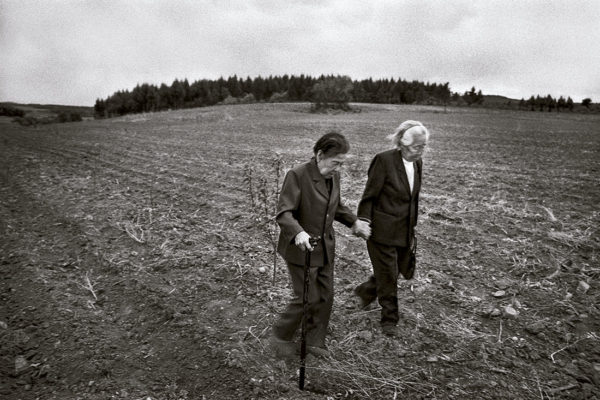 Simenz comfort station site Several divisions and underground fortress of Japanese military were located in Dongning, Heilong Jiang, China. Wherever the military station was, comfort station was established; Victims LEE Soo-dan and KIM Soon-ok stayed at Simenz comfort station during the same period.
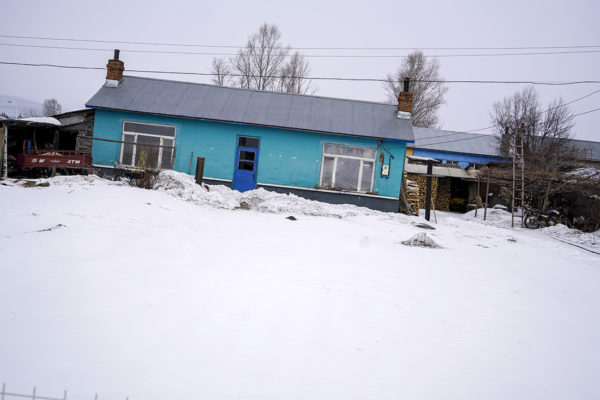 Chunhwa comfort station site Chunhwa in Jilin, China, had a military station on the one side of the road while across the street the comfort station existed. There were three comfort stations with Joseon and Japanese women stayed. Victim PARK Seo-woon, sexual salve for three months there, lived her whole life only five minutes away from the place where the comfort station existed.
 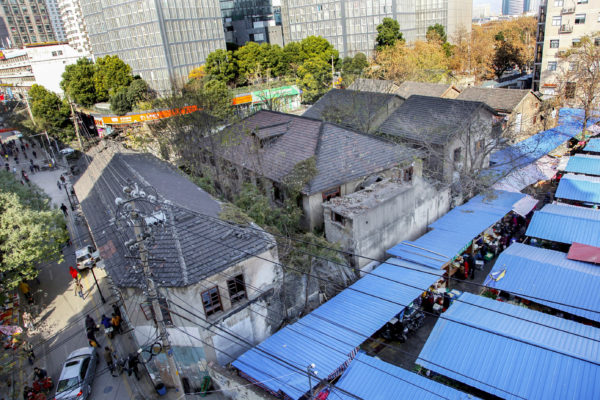 Rijixiang comfort station Beginning from the Sino-Japanese War in Nanjing, China, since 1937, women were raped indiscriminately by Japanese soldiers. Japanese military established 40 mass size comfort stations in Nanjing in order to prevent sexually transmitted diseases among privates. About 200 women from Joseon were staying at four different buildings of Rijixiang comfort station at all times. Victim, Young-shim Park, a pregnant lady in the black-white picture was staying at Rijixiang comfort station.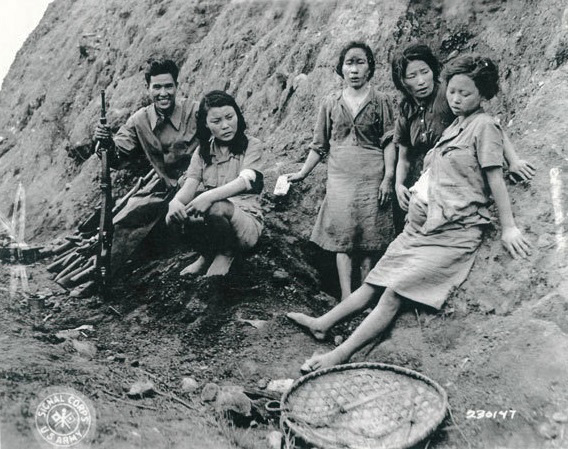
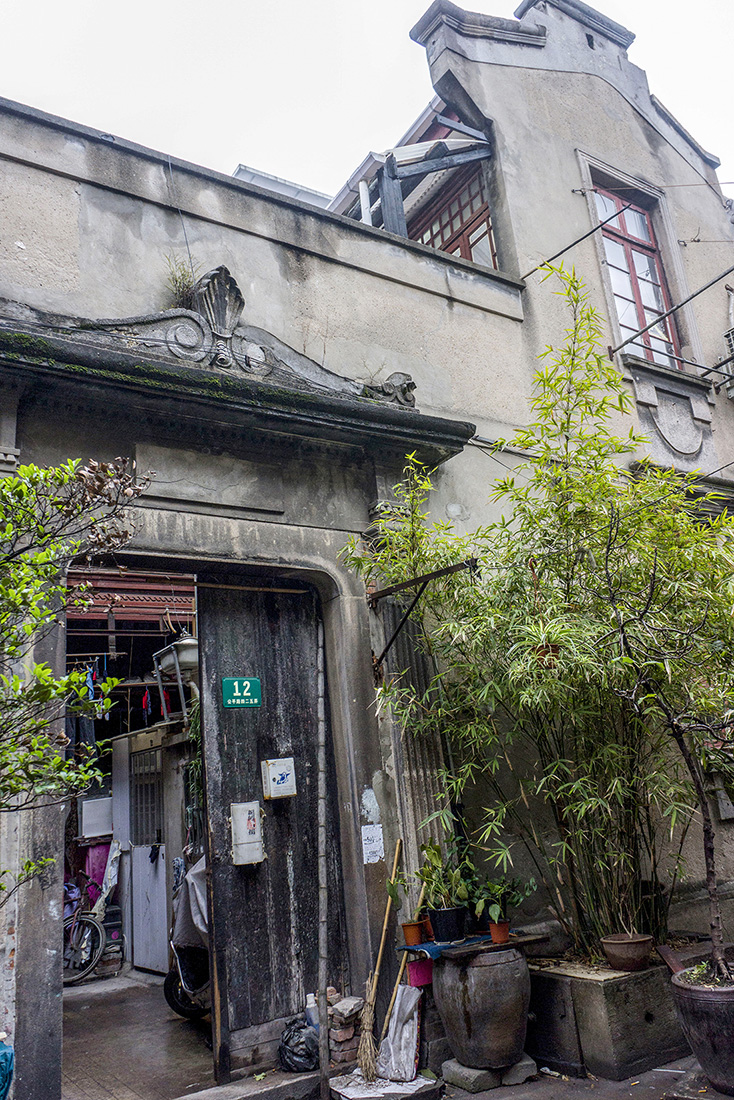
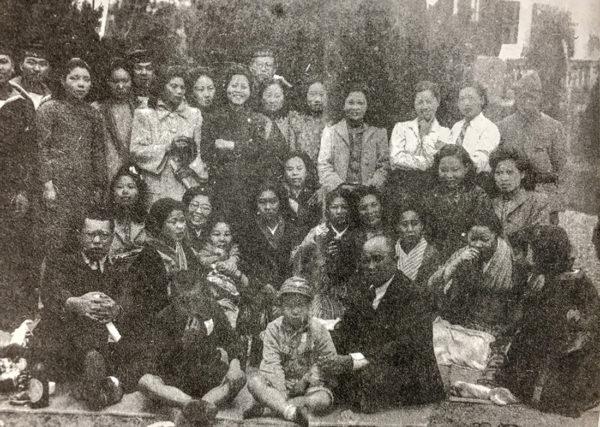 Hainaijia comfort stationHainaijia(House of Sea), comfort station in Shanghai, China, was run by the man who used to serve Japanese military as an officer. He forcefully took away the textile factory, turning it into comfort station. Japanese Navy provided food, liquor and condoms which the owner needed. The picture was taken when the Joseon women from that comfort station went to picnic with Japanese officers.
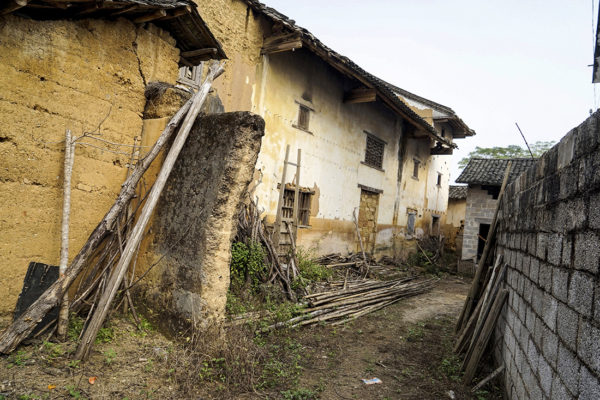 Ripu comfort station The comfort station at Ripu, Guangxi, China used to the house for the local rich. Victim Weisiaoran was raped at the last room on the first floor; she ran away not knowing that she was pregnant with her son, Luosanshue.
 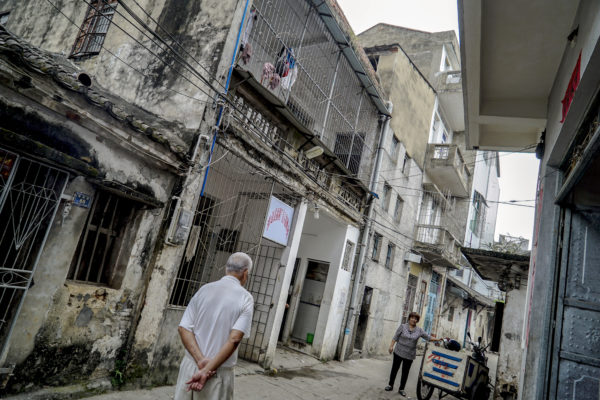 , Chingmai comfort station Hainan, China, used to a significant bridge point to invade numerous coastal countries to Pacific Ocean. Naturally, there were many Japanese military; even in the small rural village, Chingmai, a comfort station was established and still does. Chinese women were forcefully taken.
 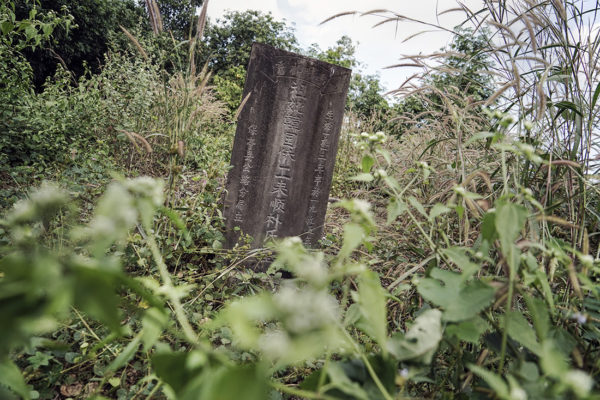 Grave of PARK Rae-soon Grave of Victim PARK Rae-soon who could not return home after living as sexual slave in Baoting Li autonomous county, Hainan, China. Because she worked for institution like Expressway Corporation, the foundation still takes care of her tomb. There’s Cheon-in-gang where the bodies of illegally forced laborers were buried in Sanya.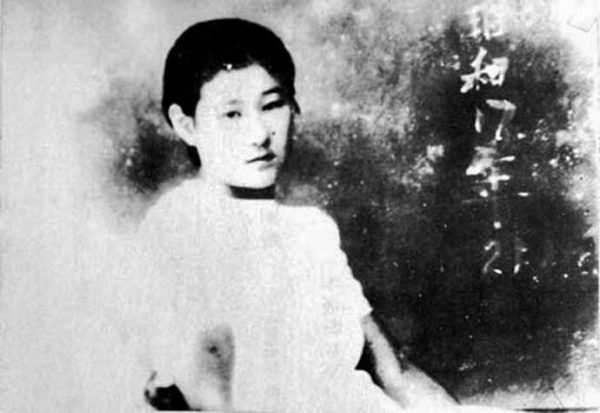
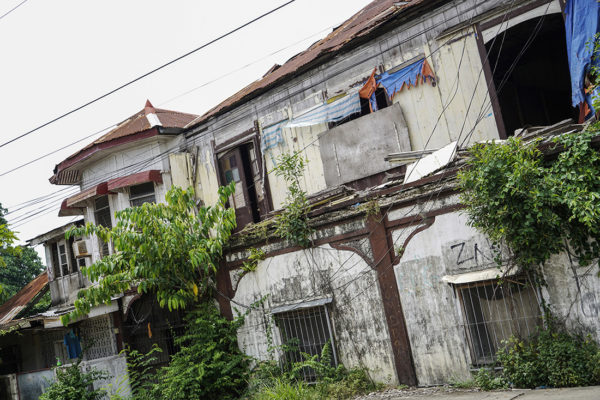
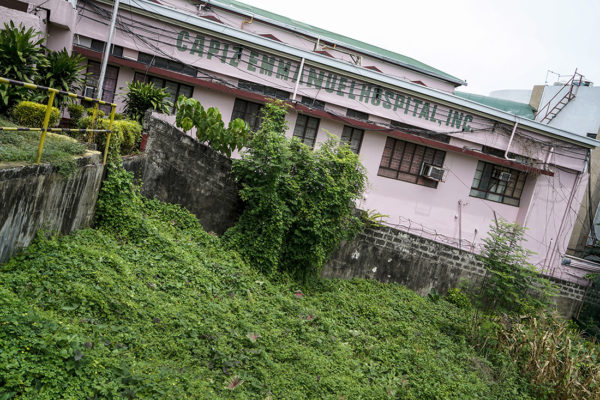 Emmanuel hospital Spanish-style old building which used to the comfort station still remains in the town of Lohas, Philippines. It’s assumed to be used as Japanese officers mainly. Besides, Emmanuel hospital was used as guardians, prison camp, and comfort stations. Men and women were separately managed while women worked as sexual slaves while taking care of cooking and laundry.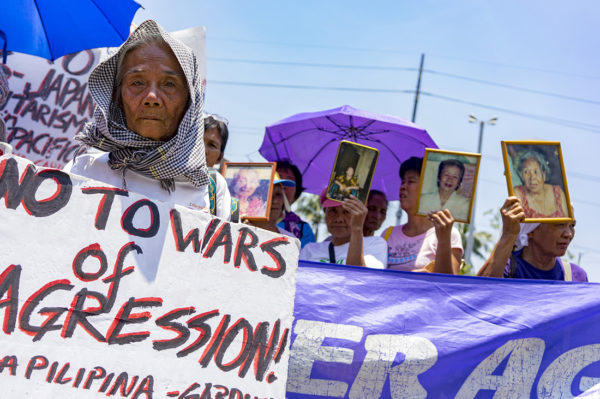
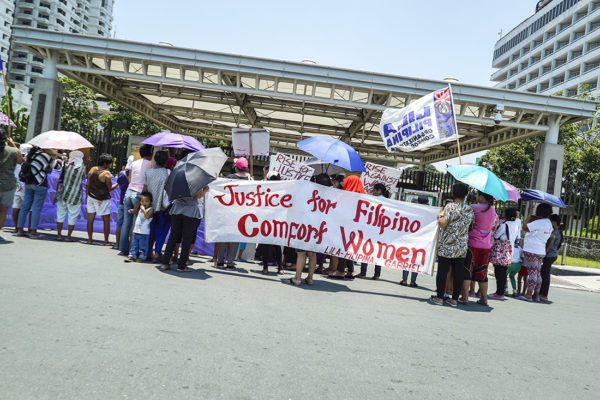 Japanese Embassy in the PhilippinesTwice in every year, a protest for Justice and anti-war rally has been held in front of US Embassy in Manila, Philippines. Recently, a comfort station statue established on Manila Lohas street, 3km away from Japan Embassy was secretly removed due to the pressure from Japan.
 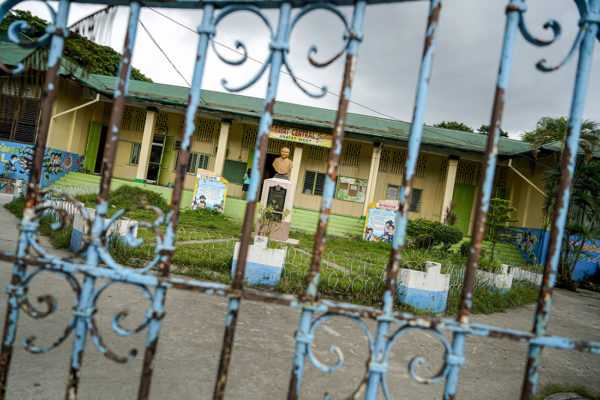 Arayat Central School Spanish-style old building which used to the comfort station still remains in the town of Lohas, Philippines. It’s assumed to be used as Japanese officers mainly. Besides, Emmanuel hospital was used as guardians, prison camp, and comfort stations. Men and women were separately managed while women worked as sexual slaves while taking care of cooking and laundry.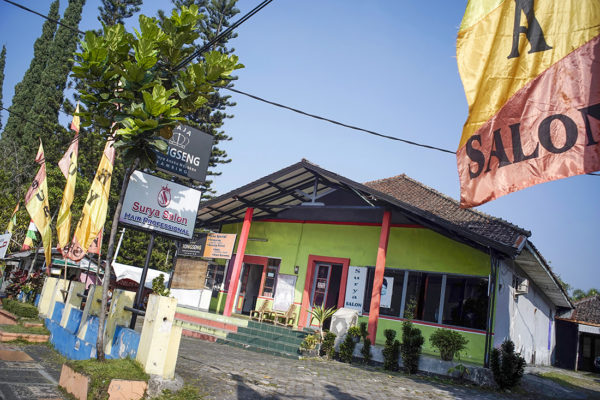
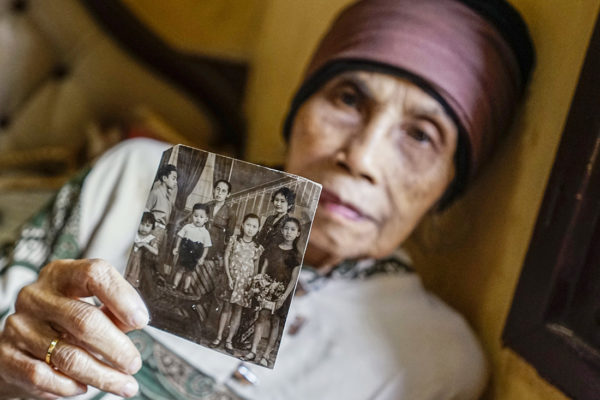 ‘Keep Rest’ comfort station A comfort station titled ‘Keep Rest’ still remains in Sukabumi, Indonesia. It was quite large at that time, managing about 30 to 40 local women. There used to similar sized comfort station nearby. Victim Umiggulsum in the photo was raped by two Japanese soldiers.
 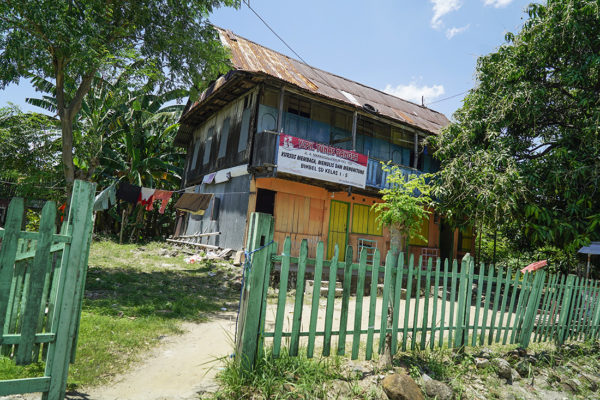 Pare-pare comfort station Indonesia Sulawesi Pare-pare; this house was the place where Japanese military could hold meetings and entertain themselves. Right next to it, the comfort station where Victim Jjinta lived as sexual slave.
 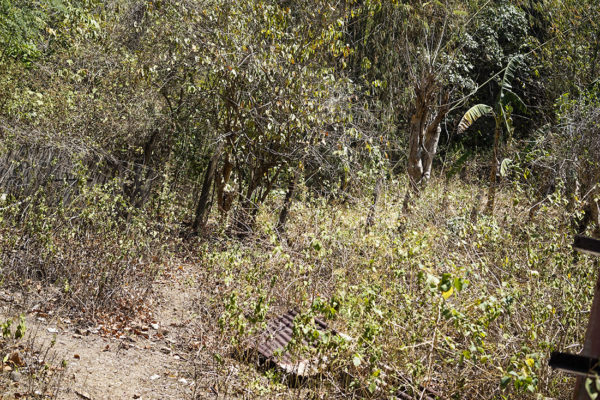 comfort station site Bamboo was used to build comfort station in rural regions of Indonesia, under hot weather; it’s called ‘Barak’, meaning Bamboo. Even though most comfort station buildings are vanished away, people in town still remember where they used to be.
 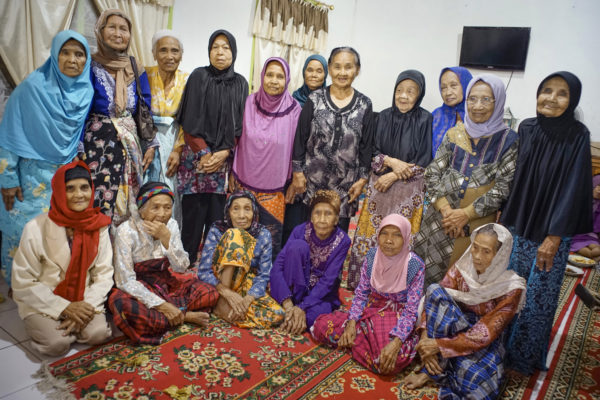 Victims in SulawesiVictims from Southern Sulawesi, Indonesia; when Japanese military invaded in 1942, young women were forcefully used as sexual slaves. There are still thousands of survivors in Indonesia, they say. Official investigation has not been conducted so that there is hardly any record left. Due to limitation of time, translation, and cost, only half of survivors in this photo could be interview.
 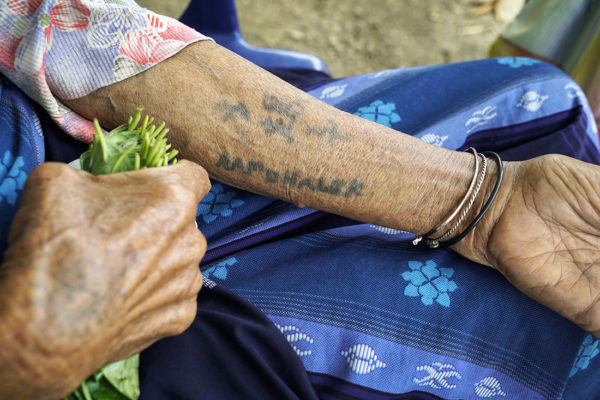 Laurinda tattooThe tattoo carved by Japanese military stays clear on the arms of Victim Laulinda. It says her Japanese name, ‘鶴多子 (Tasco), and the writing JAPON…
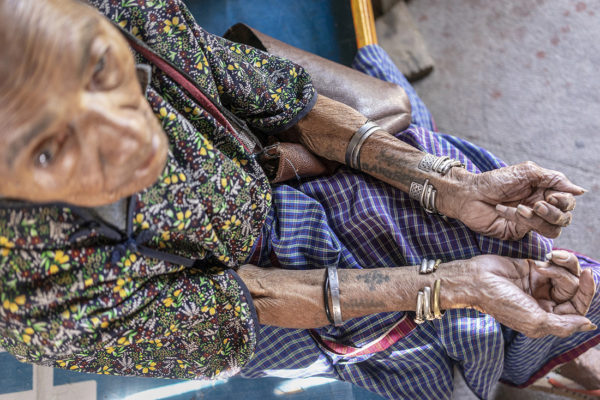 Francesica tattooVictim Francisca had no other option but to make that tattoo on herself when Japanese soldier suggested. The mark which seems to represent military troop is carved into her whole-body including arms and legs.
 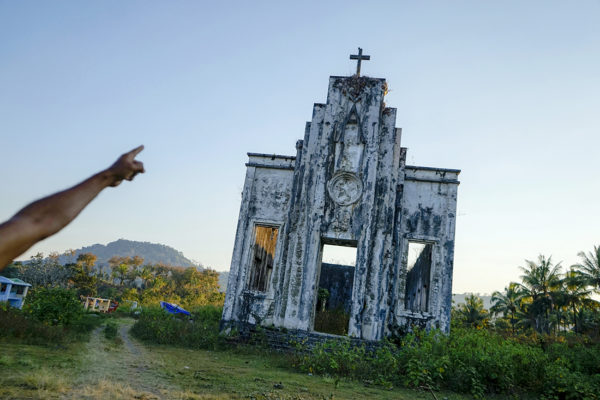 Broken church Church in Same, East Timor lost its roof due to the bombing of Japanese military. Casualties were small, fortunately, because it was during weekdays. 3 victims of sexual slaves for Japanese military are still alive in the surrounding town.